You have spent a lot on your website design, and it looks great, with all the features that are in demand. It is highly interactive, yet it is failing to perform its primary job: conversion. Do you know why?
Because your website design is not capable of playing with the psychology of your potential customers, which can compel them take profitable actions for the business.
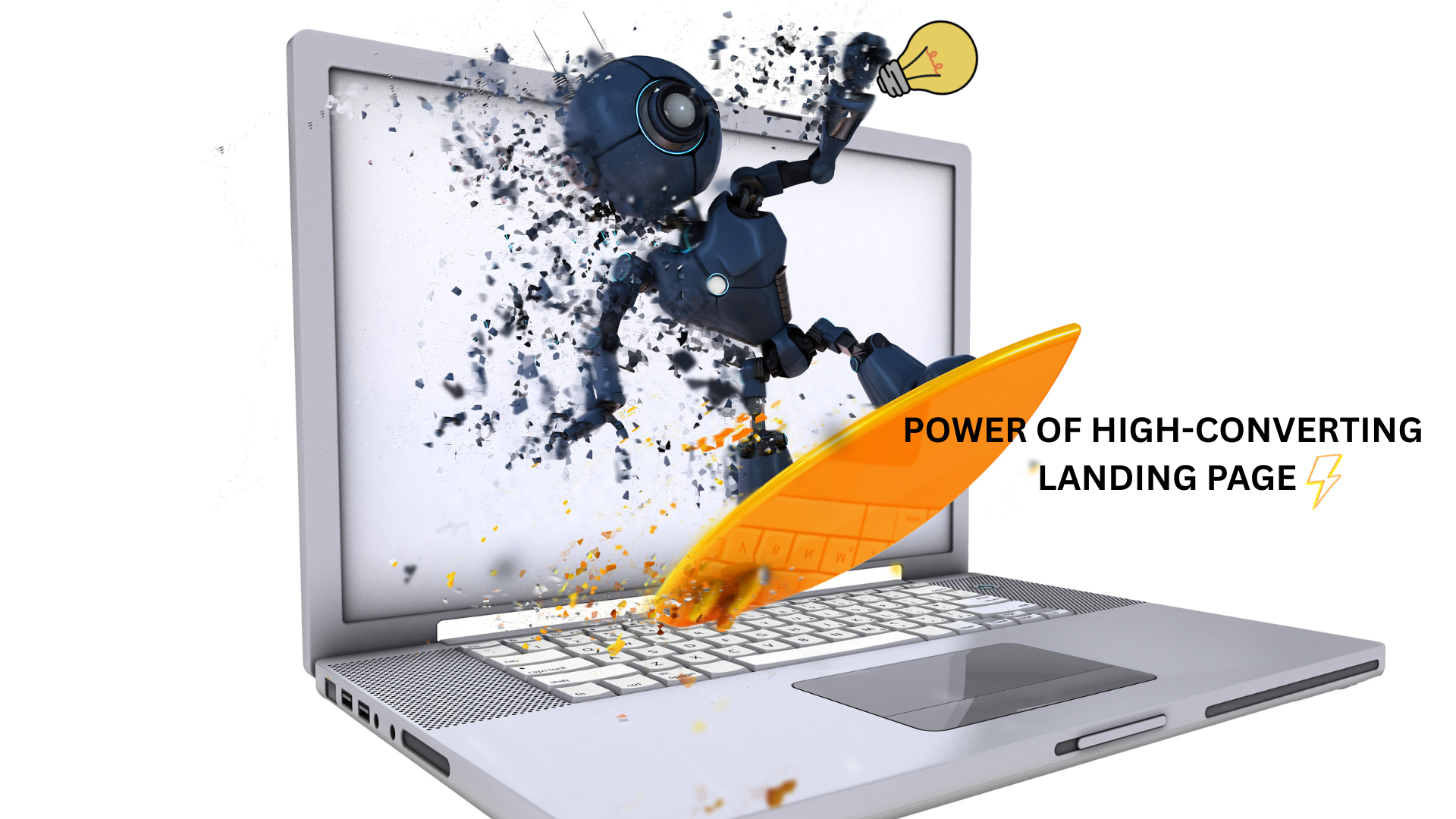
So, it is all about designing a high-converting landing page that has the power to boost conversion by 200%. It is very important that the website is designed in a way to understand the principles behind customer behaviour and conversions.
In this blog, we will dive deep into how a landing page can be powerfully tailored to deal with the psychology of the site visitors and convert them into customers. We will discuss the strategies that need to be adapted to understand customer behaviour and boost sales.
8 Psychological Secrets of High-Converting Landing Pages
The landing page of your website sets the first impression of your brand, so you'd better make it a good one and not a miss. A high-converting landing page and effective UI/UX design depend on knowing how your customers think, behave, and make decisions.
Here's how you can create a successful, conversion-driven landing page using important principles of customer psychology.
Simplify Choices To Reduce Decision Fatigue
When there are too many options, it is very common to get lost. This can create confusion for your customers, making it hard to choose, thus leading to decision fatigue.
For example, your website is for a fitness brand, and you offer various fitness plans; do not just overwhelm the landing page with too many subscription plans. Rather, give a maximum of 2-4 options, each suggesting who will benefit and what the benefits are.
You may also add “Top Recommendation,” highlighting any of the subscription plans, making it simpler for the audience to choose from.
Trigger The Customer Mind
A high-converting landing page must be designed with three principal elements of the customer's mind, which are motivation, simplification, and a trigger to act. It should give the visitor a motivating reason and ease to act quickly.
A smart landing page delivers a clear prompt, like a powerful call to action (trigger), making the action simple and quick to do (ability), and giving the visitor a compelling reason to take necessary action. This enables customers to align their intent and guides them to complete the process of purchasing.
For example, you have an online grocery store, and your landing page is popping up an ad “Healthy Snacking Time, Enjoy Guilt Free Snacks You Craved For, Shop Now.”
This type of pop-up on the landing page can trigger customers to explore more and make purchases. Pop ads are very powerful when used correctly, read about the Power of Unlocking the Secrets of Pop Advertising.
Visual Hierarchy
Visual hierarchy is all about the layout of design elements that naturally direct a user's attention to the most crucial areas of your page, like the CTAs. Your website’s landing page must be designed in a way that not just grabs visitors' attention but also guides them through the process of possible conversions.
You may use bold fonts to highlight and interactive visuals to grab attention, make the CTA’s bold enough to stand out, and present the content in a way that guides the visitors to take successful purchase actions.
Building Trust
In today’s digital world, most people look for social validation, and this is true for brands as well.
When a customer intends to make a purchase decision, it is very common nowadays to look to other similar buyers for guidance. It is a psychological trait where, before making any purchase decision, the customer checks and values other buyers' opinions.
Social proofing can be done in many different ways when it comes to landing pages.
Presenting customer reviews and testimonials correctly on the landing page. Valid consumer feedback builds credibility and demonstrates the worth of your offerings.
Display the user count, showcasing the quantity of users or noteworthy clients your brand has served so far.
Keep count of social media mentions or shares. Highlighting your brand's strong presence on social media can help establish trust and credibility by showing how many followers are engaging with your brand’s offerings.
Creating Scarcity
It is very normal human psychology that when there is a scarcity of a product, there is a rush for the same. For potential buyers who are interested in the product but not in a hurry and might be planning to buy later or checking on other competitive products, the scarcity triggers them to make the purchase now or never. This technique is highly effective and drives fast conversions.
You may use tags like “Limited Time Offer”, “Exclusive Offer”, or “Few in Stock” on your landing page to trigger your customers.
Fear of Missing Out (FOMO)
FOMO is a potent motivation that works hand in hand with social proof and scarcity. Consumers don't like to pass on opportunities, particularly ones that are considered valued by so many other customers. You can give prospective buyers the impression that they are losing out on a fantastic offer or opportunity that has already been availed and backed by many influencers and followers, and if they don't take action right away, they will lose out on a big deal. This creates FOMO and leads to more conversions.
Reciprocity
People are more likely to act if they believe they are getting something valuable in return. If you value your customers, they will surely reward you back with high sales and conversions. This can be used on landing pages by giving away something free or some exclusive offers that are valuable for your customers in return for user information shared with consent, or maybe any valued action taken by the user.
You may offer free samples, trial packs, or free subscriptions to encourage visitors to become customers.
Reduce page Load Time
This is highly important as it can make or break your relationship with your potential customers.
Loading time of the landing page is considered to be a verified ranking criterion for both desktop and mobile devices. According to Google, pages that take a long time to load are less likely to rank well in search results, and even if the user visits the website, the long loading time can frustrate and drive them away.
Wrapping Up
Designing a landing page just to look good is not enough. It is about crafting a layout that understands customers' needs and behaviour that can guide them to take appropriate actions.
You may invest huge on your website design that has all the latest features and technologies, but do not forget to pay attention to valuing the emotions of your customers. Your website will be considered smart not just with smart technologies but when it has the power to build a connection with the visitors and convert them to customers. Incorporating the above mentioned principles in your landing page design strategy can significantly improve conversion rates and build brand value.
For more marketing advice to boost sales and conversions, connect with the experts of 3Mads.